
Breastfeeding is often described as natural, but that doesn’t always mean it feels easy—especially in the early days. One of the most common concerns new parents bring up is breast pain. While some tenderness is normal as your body adjusts, persistent or sharp pain is a sign that something needs attention. Understanding why breast pain happens, how to relieve it, and when to seek help can make a tremendous difference in your breastfeeding journey.
Why Breast Pain Happens
Breast pain during breastfeeding can stem from several possible causes, and most of them are highly treatable once identified. One of the biggest culprits is an ineffective latch. When a baby isn’t taking enough breast tissue into their mouth, it puts too much pressure on the nipple and can lead to soreness, pinching, or even cracking. Sometimes a shallow latch is caused by positioning, while other times it may be related to oral anatomy such as a lip or tongue tie.
Engorgement is another common source of discomfort. As your milk increases, your breasts may feel overly full, firm, or tender. This often happens in the early days when your supply is still regulating or anytime milk isn’t removed frequently enough. If the fullness progresses, it can lead to clogged milk ducts, which create painful lumps in the breast. When a clogged duct isn’t addressed, it can turn into mastitis—a more intense inflammation or infection marked by pain, redness, fever, or flu-like symptoms.
Other reasons for breast pain include vasospasm (when the blood vessels in the nipple constrict, often causing a burning or stinging sensation), nipple blebs or blisters, and pumping-related discomfort if flange sizes aren’t correct. Because there are so many possibilities, it’s important not to ignore the pain or assume it’s “just part of breastfeeding.”

How to Relieve Breast Pain
The right solution always depends on the underlying cause, but a few strategies help in most situations. Improving latch and positioning is often the biggest relief. Simple adjustments like bringing your baby closer, supporting their neck and shoulders, or changing to a more comfortable feeding position can ease pain almost immediately. Many parents are surprised to learn how much of a difference even tiny changes make. If you’re unable to get a pain free latch reach out to a lactation professional for some assistance.
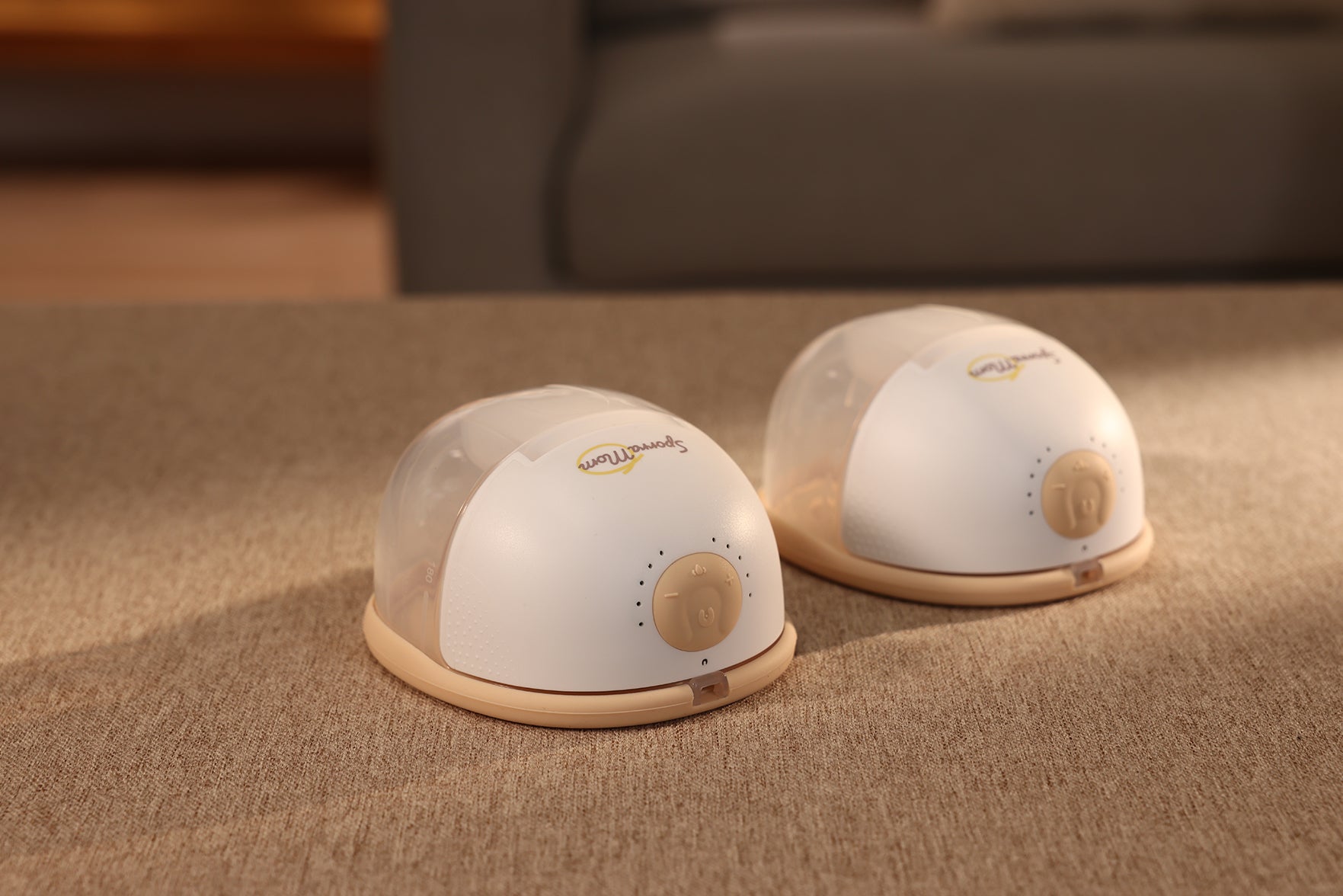
If engorgement is contributing to your discomfort, frequent milk removal is key. Nursing or pumping more regularly, gently massaging the breasts, or using a warm compress before feeding can help soften the tissue and encourage milk flow. Choosing a well-fitted, high quality pump that provides both consistent suction and comfort (suitable flange, heat flow feature) is also essential for effective milk removal.
If you’re too engorged to latch your baby or pump, try reverse pressure softening. Also known as RPS is a technique that uses hand pressure to temporarily move fluid away from the nipple area to make latching easier.
For clogged ducts, the updated protocol according to the Academy of Breastfeeding Medicine is B.A.I.L.
B-A-I-L protocol
• Breast Rest: Avoid "emptying" the breast completely by overfeeding or overpumping, as this can increase inflammation. Nurse on demand, but avoid frequent, forceful pumping sessions on the affected side.
• Anti-inflammatory medication: Take an over-the-counter anti-inflammatory, like ibuprofen, to help with pain and inflammation.
• Ice: Apply ice packs or cold compresses to the affected area between feedings to help reduce swelling and pain.
• Light Lymphatic Drainage: If needed, use gentle, light-touch lymphatic drainage techniques. Avoid deep, aggressive massage or vibrating devices, which can increase inflammation and tissue damage.
Other recommendations include taking acetaminophen for additional pain relief. Supplements like choline and probiotics, such as Lactobacillus fermentum or Lactobacillus salivarius, may also be helpful, but it’s important to discuss this with your provider first.
Seek medical help if your symptoms do not improve within 24-48 hours or if you develop a fever or flu like symptoms.
If you’re experiencing pain while pumping make sure you’re using the correct size and fitting flange. Also understand your pump settings; increasing the suction strength doesn’t equate to more milk. Find the settings that are comfortable and effective for you.
If vasospasm is the issue, keeping your nipples warm after feeds often helps. Some parents find relief by avoiding cold exposure or applying dry heat. When pain is related to pumping, adjusting suction levels or ensuring your flanges fit properly can prevent unnecessary trauma.
Nipple care can also make a big difference. Expressing a few drops of breastmilk and allowing it to air dry on the nipple, using a soothing nipple balm, or giving the area a break from friction with silver cups or going bra-less.
When to Seek Help
While occasional soreness can be normal, ongoing or severe pain is not something you should push through. If breastfeeding consistently hurts, your nipple is visibly damaged, you suspect a clogged duct that isn’t improving, or you have symptoms of mastitis; such as fever, chills, red streaks, or body aches you should reach out for help quickly. Mastitis can escalate fast, and early treatment can prevent complications.
Anytime you feel unsure, overwhelmed, or simply want to make sure things are on track, connecting with a lactation consultant is one of the best steps you can take. An IBCLC can assess latch, positioning, oral anatomy, pump settings, flange size, and feeding patterns to identify exactly what’s causing the pain. Most issues can be improved dramatically with just a little guidance.

You Don’t Have to Suffer Through Breast Pain
Breastfeeding shouldn’t be an experience filled with discomfort. With the right support and a bit of troubleshooting, most pain can be relieved quickly. If something feels off, trust your instincts. Early intervention not only protects your comfort but also helps safeguard your milk supply and your overall feeding goals.
You deserve to feed your baby without pain and help is available every step of the way

Many moms dread the moment the cold breast pump flange touches their skin. This sudden chill causes the body to tense up, which can actually inhibit the release of oxytocin—the hormone responsible for the let-down reflex.
This is why switching to a breast pump with built-in heating, like the W2, can be a game-changer. The W2 is not just a pump; it is a gentle companion on your breastfeeding journey. Its specialized warming flange warms up to mimic the natural temperature of a baby’s mouth. This continuous, gentle heat helps relax breast tissue and improve blood circulation, triggering a faster and more natural let-down. By replacing the "cold shock" with soothing warmth, the W2 helps you express more milk in less time, making the entire experience significantly more comfortable.
-
Accelerate Let-down: The gentle warmth mimics the effect of a hot compress, helping milk ducts dilate to speed up the let-down reflex and improve pumping efficiency.
-
Prevent Clogs: Continuous warming reduces the risk of clogged milk ducts, a crucial benefit for mothers who pump frequently.
-
Ultra-Quiet Design: Operating at just 46 dB—comparable to the noise level of a quiet library—it ensures you won't disturb others during office use or late-night pumping sessions.